Online casinos are everywhere now, and picking one that actually treats players fairly is not always obvious from the homepage alone. A slick design, a big welcome bonus, and a wall of five star testimonials can be put together by anyone with a web developer and a marketing budget. What separates a reputable online casino from one that will make excuses when it is time to pay out has very little to do with how the site looks and everything to do with what sits underneath it: a valid license, fair game testing, working payment rails, and a track record you can actually check. This guide walks through the practical signals that tell you a casino is worth your time and your deposit, the warning signs that mean you should close the tab, and the small checks that take five minutes but save a lot of frustration later. None of it requires special tools or industry knowledge. It just means knowing where to look and what a genuine operator is required to show you before you hand over a card number.
Why it matters to choose a reputable casino
Money is only part of what is on the line when you sign up somewhere new. A poorly run or dishonest casino can hold your winnings for weeks with no real explanation, freeze an account right before a withdrawal, or run games that are quietly tilted against the player. On the data side, a careless operator might store your ID documents and card details with weak protection, which turns a simple sign up into a much bigger risk than most players realise. A trustworthy online casino, on the other hand, is accountable to a regulator, has its games checked by an outside lab, and has a business reason to keep you happy over the long run rather than squeeze you once and move on. That accountability is the real difference, and it is almost always checkable within a few minutes if you know what to look for.
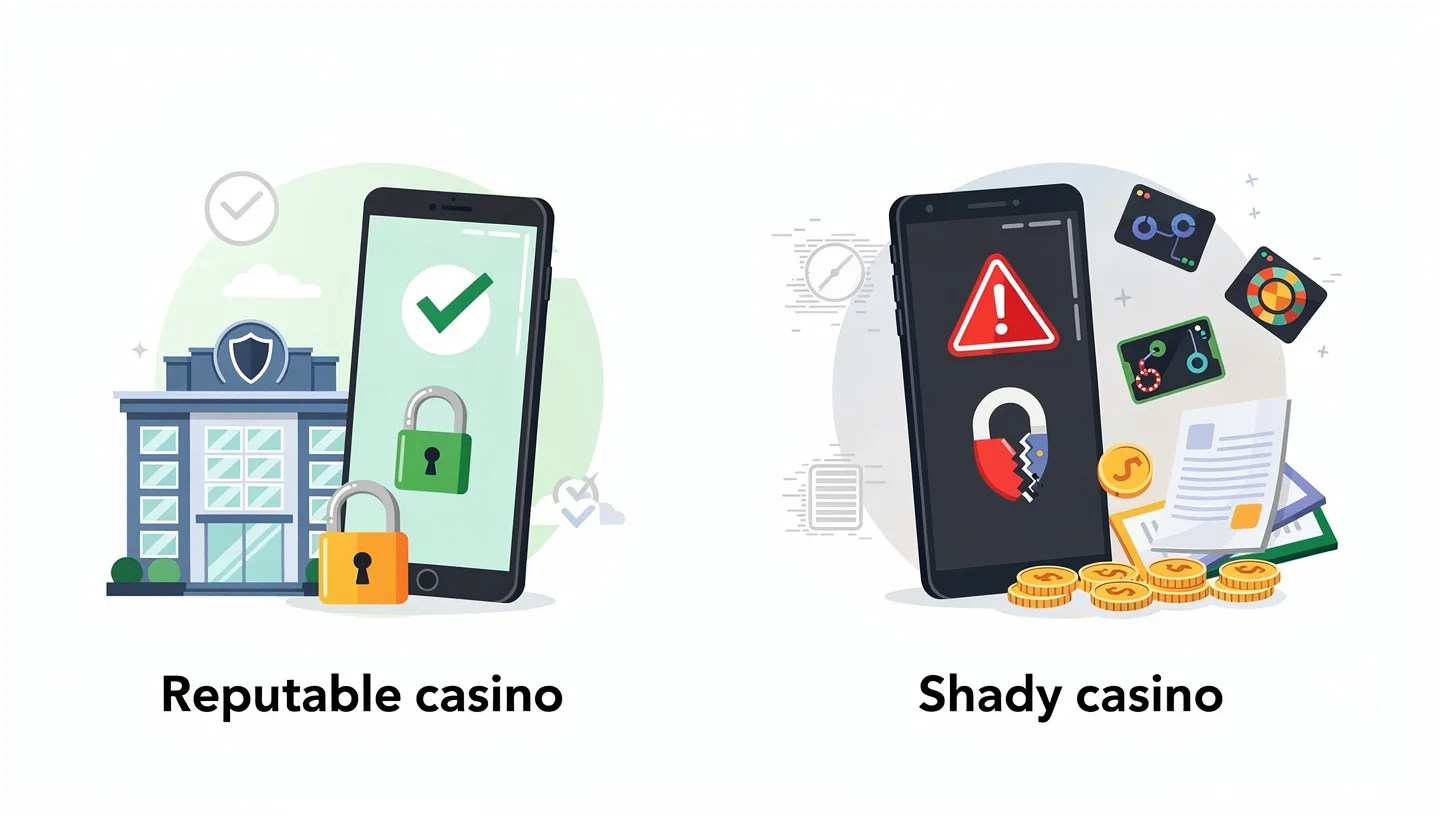
It also helps to remember that new sites launch every month, and not every one of them is dishonest just because it lacks a long track record. A brand new casino can be perfectly safe if the license and security basics are in place, while a site that has been running for years can still cut corners if nobody is watching closely enough. Age alone is not proof of anything either way, which is exactly why the checks below matter more than how long a casino claims to have been operating.
Check for a valid gambling license
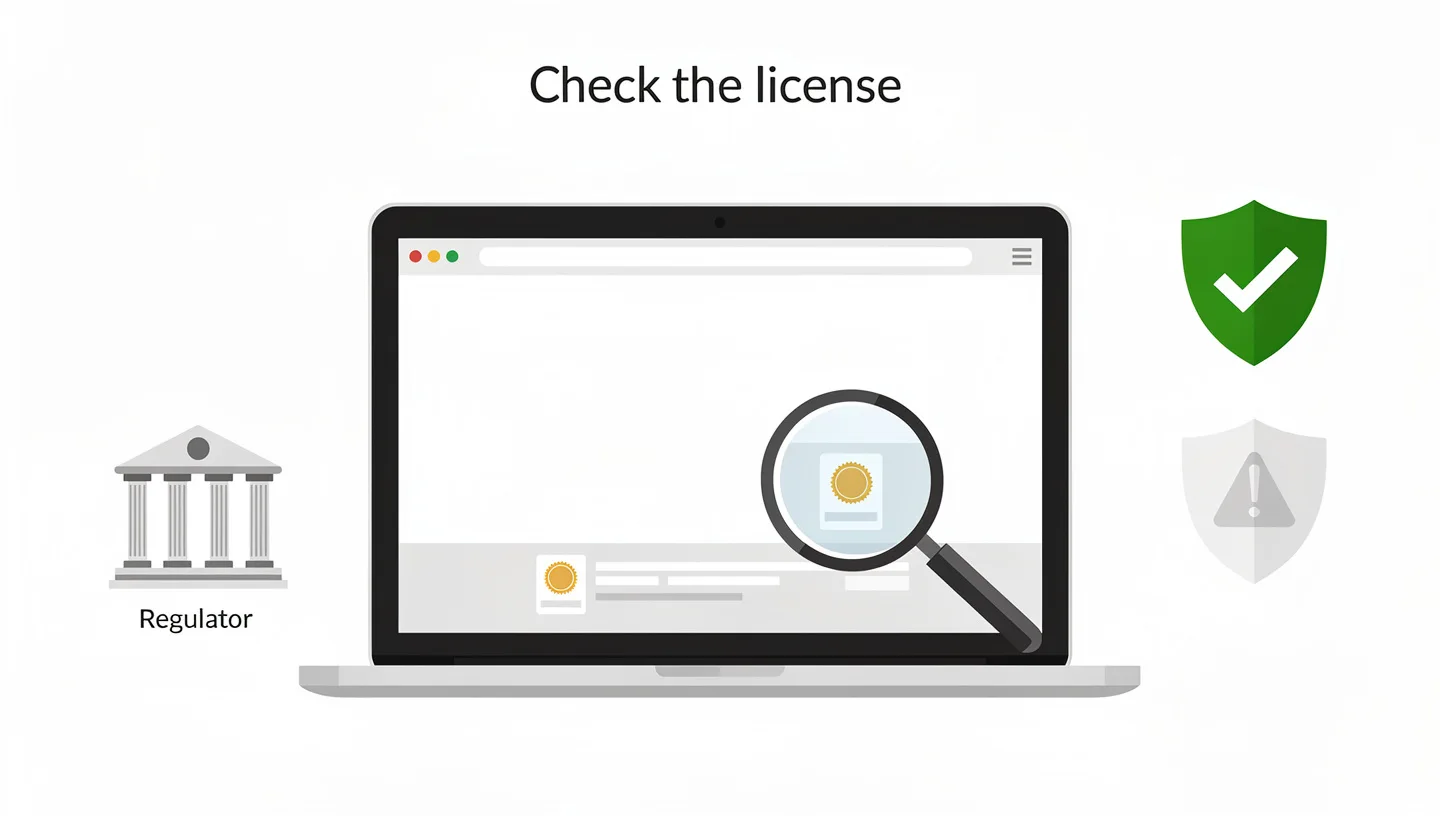
A license is the single strongest signal a casino can give you, because it means an outside body has already looked at how the operator handles money, disputes, and player protection. It is also the easiest thing to fake badly, so knowing how to confirm one is worth the extra two minutes.
Why licensing matters
A gambling license is not just a logo in the footer. Getting one means the operator has gone through background checks on its owners, proven it has enough capital to pay out winnings, and agreed to follow rules on fair game testing, advertising, and complaint handling. Licensed casinos are also subject to audits and can lose their license if they cut corners, which gives them a real incentive to stay honest rather than just look honest. This is also why casino license types vary so much in strength. Some regulators run detailed yearly reviews, while others hand out licenses with far less scrutiny, so the presence of a license alone does not tell the whole story. What the license does guarantee, at minimum, is that there is a real organisation you can contact if a dispute ever needs to go beyond the casino’s own support team, which is something an unlicensed operator simply cannot offer no matter how professional its website looks.
How to verify a casino’s license
Scroll to the bottom of the homepage first. Most legitimate sites display a license number, the name of the regulator, and often a clickable seal near the footer. Copy that number and search for it directly on the regulator’s own website rather than trusting the seal to be genuine, since seals can be copied onto a site that has no license at all. If the search comes back empty, or the license appears to belong to a completely different company, that is reason enough to walk away before making a deposit. For a step by step walkthrough of this exact process, including what to do if a license looks suspicious, our guide on how to verify a casino license covers it in more detail. It only takes a couple of extra minutes, and it is worth doing before you type in any card details, not after you have already deposited and started playing.
Recognised licensing authorities
Some regulators carry far more weight than others. The UK Gambling Commission and the Malta Gaming Authority are widely seen as two of the stricter bodies in the industry, with regular compliance checks and real penalties for operators who step out of line.
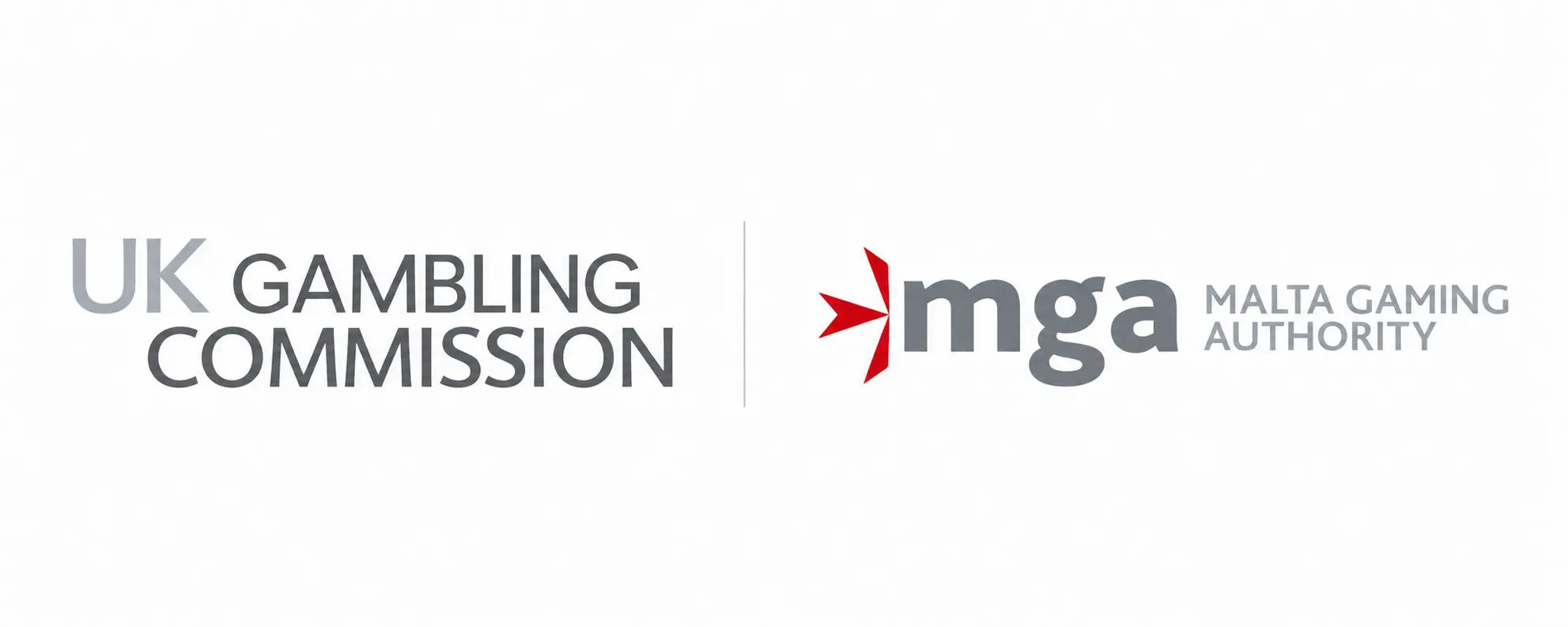
Offshore regulators such as Curaçao eGaming issue licenses under a different, generally lighter framework, which does not automatically mean a casino is unsafe but does mean the oversight behind it works differently. If you are specifically weighing an offshore option, our breakdown of the Curaçao gambling license explains what that license actually requires from operators and where its limits are.
Understanding the different license types
Not every license carries the same weight, and knowing the difference helps you set the right expectations before you sign up. A UKGC or MGA license usually comes with strict rules on advertising, mandatory responsible gambling tools, and a formal complaints process backed by the regulator itself. A Curaçao or similar offshore license tends to involve fewer mandatory checks, which is part of why so many newer casinos choose it, since it is faster and cheaper to obtain. Neither type automatically makes a casino good or bad, and plenty of well run operators hold offshore licenses simply because it lets them serve players in markets that stricter regulators do not cover. What matters is whether the operator is actually following the rules attached to whichever license it holds, which is something you can only judge by combining the license check with the other signals in this guide. A closer comparison of what each casino license type actually requires is worth reading if you want the full picture before choosing where to play.
Look for strong security measures
Licensing tells you a casino is accountable to someone. Security tells you whether your personal information is actually safe once you start using the site day to day.
SSL encryption and data protection
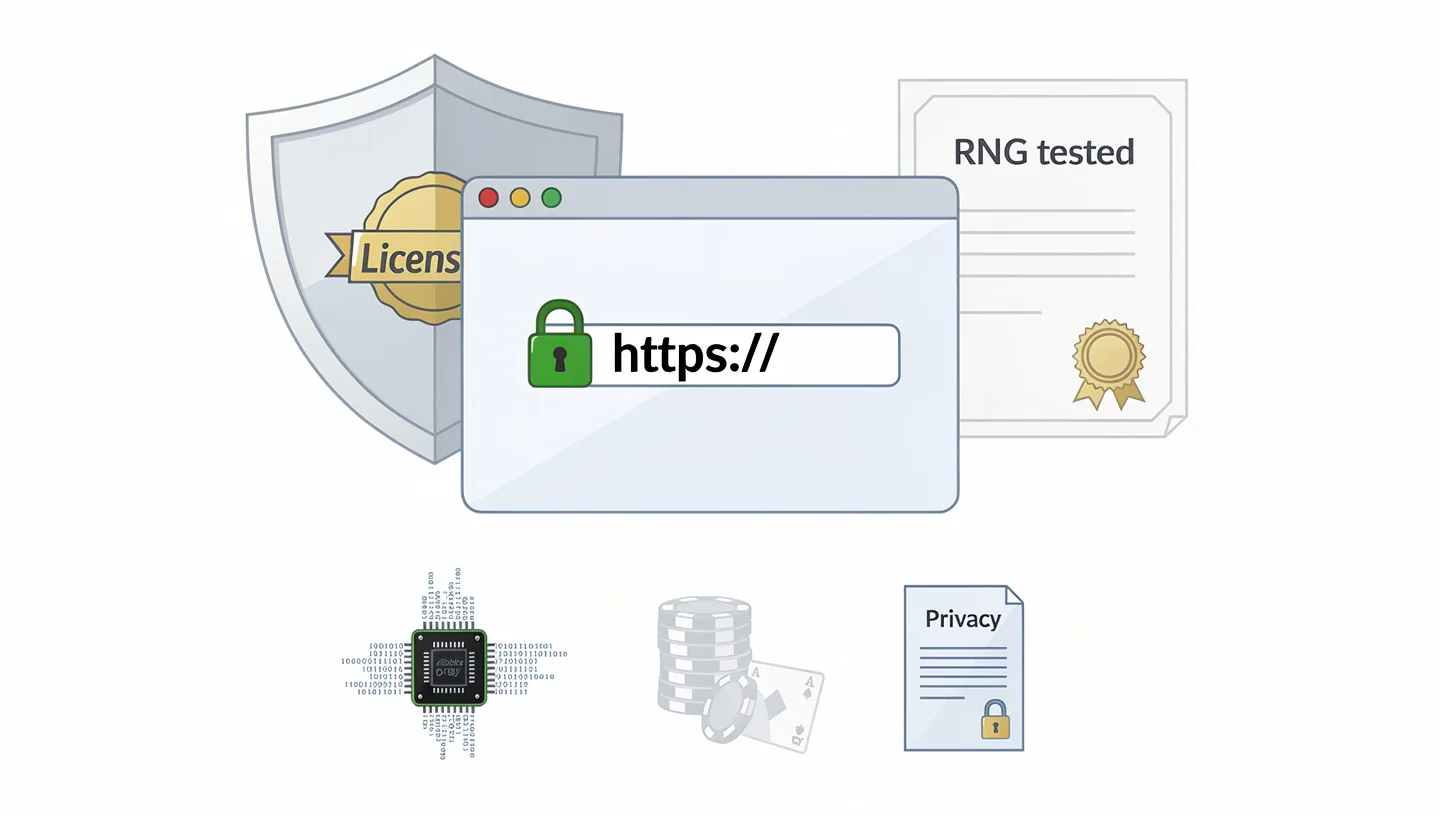
Every legitimate casino site should run on SSL encryption, which you can confirm by looking for a padlock icon next to the address bar and a URL that starts with https rather than http. This encrypts the data moving between your device and the casino’s servers, so card numbers, passwords, and personal details are not sitting in plain text where they could be intercepted.
It costs an operator almost nothing to set this up properly, so a site without it, or one where the padlock throws a warning, is not a place worth trusting with a deposit. Alongside encryption, a genuine operator should also publish a clear privacy policy explaining what it collects and how long it keeps that information.
Independent game testing
Fair outcomes depend on a random number generator that has actually been checked by someone outside the casino. Labs such as eCOGRA, iTech Labs, and GLI test the software behind slots, table games, and live dealer titles to confirm the results are not being manipulated in the house’s favour. Casinos that pass these checks usually display a certification seal, often near the footer alongside the license information, and the seal should be current rather than several years out of date. If a site cannot point to any independent testing at all, there is no real way to know whether the games are fair beyond taking the operator’s word for it. It is also worth checking whether the casino publishes its overall payout percentage or links to certificates for individual games, since operators with nothing to hide tend to make this information easy to find rather than something you have to dig for.
Read player reviews and check reputation
A license and clean security setup describe how a casino is supposed to behave. Player reviews tell you how it actually behaves once real money and real disputes are involved.
Where to find honest reviews
Dedicated casino review platforms, gambling forums, and even general sites like Trustpilot can surface patterns that a casino’s own marketing will never mention. Search the operator’s name alongside the word review and look past the first page of glowing results, since some of those can be paid placements. Pay closer attention to reviews from the last few months rather than ones from years ago, because ownership, management, and payout practices can change over time even at a casino with an otherwise solid history.
Warning signs in player feedback
A handful of complaints is normal for any large operator, but recurring themes are worth taking seriously. Watch for repeated mentions of delayed or denied withdrawals, accounts closed without explanation right after a big win, or customer support that goes quiet once a dispute starts. One or two isolated complaints do not necessarily mean much, but the same complaint showing up across dozens of reviews from unrelated players is a pattern, not a coincidence. It is also worth noting how the casino itself responds to negative reviews where that is visible. An operator that replies with a real explanation or an offer to resolve the issue is behaving very differently from one that ignores complaints entirely or deletes them where it can.
Test payment methods and withdrawal times
The moment you try to withdraw is usually where a casino’s real character shows through, since anyone can make a deposit page look polished.
Safe payment options
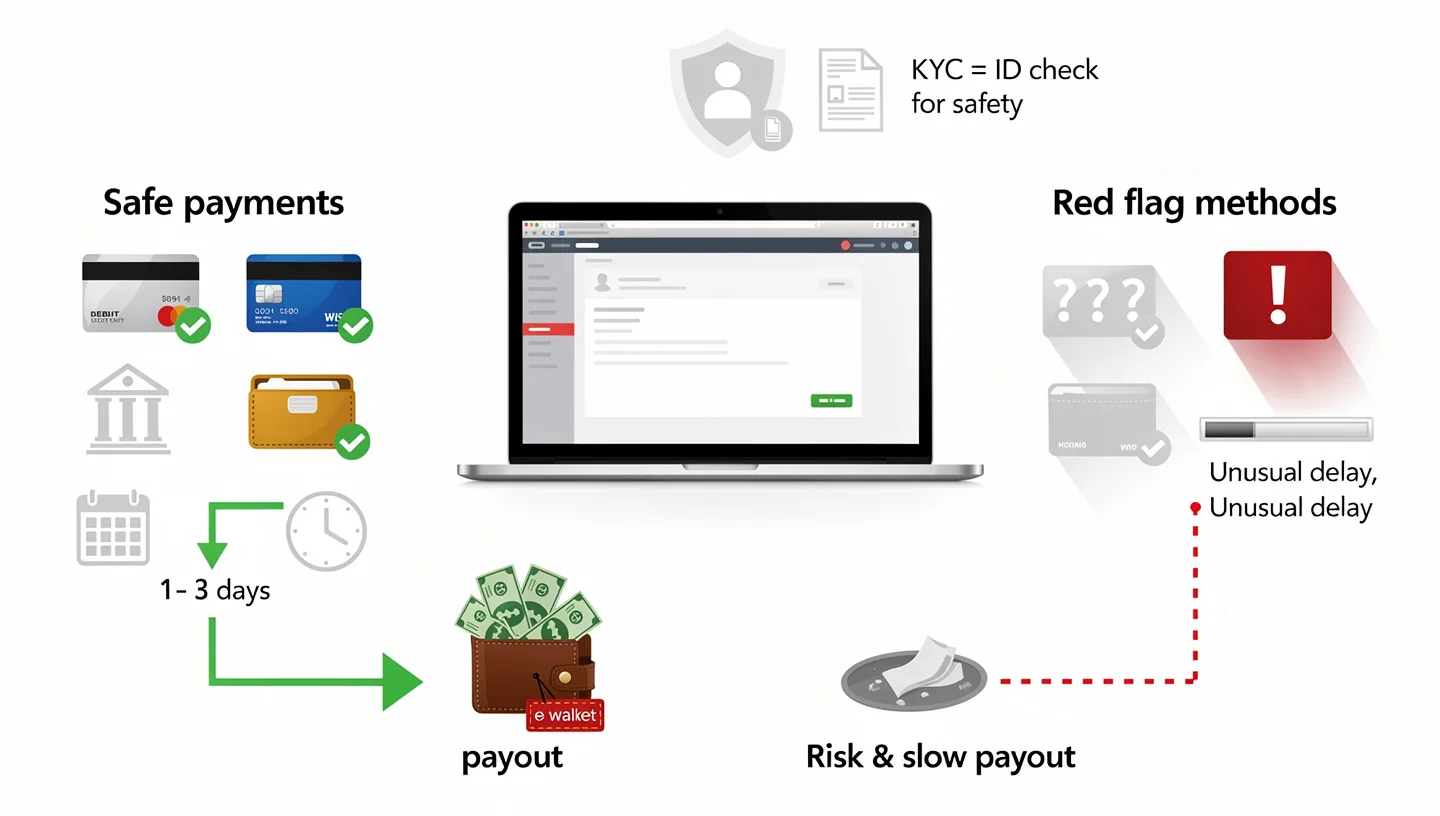
Look for well known payment methods such as major debit and credit cards, established e-wallets, and bank transfers, alongside clear information on any fees. A casino that only accepts obscure, hard to trace payment methods, or that pushes you toward one option with no alternative, is worth extra caution. It also helps to understand how identity checks fit into this process, since most licensed casinos require some form of verification before releasing a withdrawal. Our guide to the casino KYC verification process explains what documents are typically requested and why, so the request does not catch you off guard mid withdrawal. Once you have cleared this step for the first time, most casinos store the result and will not ask again for future withdrawals unless something on your account changes, such as a new payment method or a different address. This is a one time cost of time, not something you have to repeat with every single withdrawal you make going forward.
Not every player wants to go through a document upload though, and a number of operators have built their entire verification model around avoiding it. This is part of why no-KYC casinos have grown more popular in recent years. These sites verify players through other means, such as linked payment accounts, rather than asking for scanned ID documents up front. That convenience comes with trade offs though, since fewer identity checks generally means less protection if something goes wrong with a payment, so it is worth weighing speed against safety rather than assuming faster is always better.
How fast withdrawals should be
Processing times vary by payment method, but a reputable casino will state its timeframes clearly rather than leaving you to guess. E-wallets are usually the fastest, often within a day, while card withdrawals and bank transfers can take several business days. If you want a full breakdown of what counts as normal versus a red flag, our page on casino withdrawal times goes through typical ranges for each method.
If a withdrawal is taking noticeably longer than the timeframe stated on the casino’s own site, do not assume the worst right away. Contact support first and ask for a specific update, since a short delay can happen for ordinary reasons such as a payment provider’s own processing schedule. A pattern of repeated delays without explanation is a different story, and that is when it becomes a genuine warning sign rather than a one off inconvenience. It is also worth comparing operators directly if speed matters most to you, and our list of the best payout online casinos ranks sites specifically by how quickly they release funds.
Evaluate customer support
How to test support before you sign up
You do not need an account to get a feel for how a casino treats its players. Open the live chat, if one exists, and ask a simple question about withdrawal times or bonus terms before you register. A reputable operator should respond within a few minutes during normal hours, in clear language, without dodging the question. If there is no live chat at all, try email support and note how long the reply takes and whether it actually answers what you asked. Slow, vague, or scripted responses before you have even deposited are a strong hint at how support will behave once you have a real problem to solve. It is also worth checking how many contact channels are actually offered. A casino that only provides a contact form with no stated response time is giving itself a lot of room to go quiet once a dispute gets complicated.
Check for responsible gambling tools
A casino that takes player wellbeing seriously will offer practical tools rather than just a disclaimer buried in the terms. Deposit limits, loss limits, and session time reminders let you set boundaries in advance rather than relying on willpower alone once you are already playing. Self-exclusion options, which let you lock yourself out of an account for a set period or permanently, are a legal requirement at most licensed casinos and should be simple to find and activate. A casino that makes these tools hard to locate, or that requires you to contact support just to set a basic deposit limit, is not prioritising player protection the way it should. For a closer look at how to use these tools effectively, our guide on setting responsible gambling limits walks through practical ways to stay in control of your play.
Red flags of an untrustworthy casino
Some warning signs are worth listing on their own, since spotting even one of them is often enough reason to look elsewhere before you deposit.
- No license information anywhere on the site, or a license number that does not match any real regulator
- Bonus terms that are vague, constantly changing, or buried in dense legal text
- Wagering requirements well above what is typical, sometimes 50 times the bonus amount or higher
- Consistent player complaints about delayed, reduced, or denied withdrawals
- No visible SSL padlock, or browser warnings about an unsafe connection
- Customer support that is unreachable, unresponsive, or gives contradictory answers
- Company details that are missing entirely or do not match what is shown across different pages of the site
None of these on their own always means a casino is a scam, but two or more appearing together is a strong reason to keep looking. Trust your first impression too. If something about a casino’s terms, its support responses, or its payment process feels deliberately confusing, that confusion is often doing exactly what it is meant to do, which is discourage you from asking too many questions before you deposit. A casino with nothing to hide rarely has a reason to make its own terms hard to understand.
Quick checklist: reputable casino in under 5 minutes
If you only have a few minutes before deciding whether a site is worth exploring further, run through this shortlist first. It will not catch everything, but it covers the checks that matter most and takes less time than reading a single set of bonus terms in full.
- Confirm the license number on the regulator’s own site, not just the casino’s seal
- Check for the SSL padlock and a working https connection
- Look for an independent testing seal from a lab such as eCOGRA or GLI
- Search recent player reviews for repeated complaints about withdrawals or support
- Check that deposit limits and self-exclusion tools are easy to find
- Read the withdrawal policy before you deposit, not after
Once you are confident a casino checks these boxes, you are in a much stronger position to actually enjoy the games rather than worry about whether your money is safe. If sports are more your interest than table games and slots, the same checks apply when choosing a reputable bookmaker, since licensing, payment security, and support quality matter just as much on the betting side.
It also helps to spend a few minutes browsing the site itself before you commit real money. Check that the mobile version loads properly, that games open without excessive lag, and that the cashier page lists deposit and withdrawal options clearly rather than burying them behind extra clicks. A casino that gets these small details right is usually the kind of operator that has also gotten the bigger ones right. And if you are looking for somewhere to start once you have picked a site, learning how to play blackjack is one of the more approachable ways to get familiar with a new casino’s table games section.
Frequently asked questions
How do I know if an online casino is legit?
Check for a valid license displayed in the footer and confirm the number directly on the regulator’s website, look for SSL encryption and an independent game testing seal, and search recent player reviews for recurring complaints about withdrawals or support before you sign up.
What licenses should a reputable casino have?
Strong options include licenses from the UK Gambling Commission, the Malta Gaming Authority, or similar established regulators, while offshore licenses such as Curaçao eGaming are common and legal in many markets but generally involve lighter oversight. Whichever license a casino holds, the number should always be verifiable on the regulator’s own website rather than only on the casino’s page.
How long should casino withdrawals normally take?
E-wallet withdrawals are typically processed within 24 hours at reputable casinos, while card withdrawals and bank transfers usually take between two and seven business days depending on the payment provider and the casino’s own verification process.
Are unlicensed offshore casinos safe to play at?
A casino without any visible license at all should be avoided regardless of how the site looks, since there is no regulator to appeal to if a dispute arises. Licensed offshore operators are a different case and can be perfectly safe, though it is worth understanding what that specific license does and does not cover.
What are the biggest red flags of a scam casino?
Missing or unverifiable licensing, wagering requirements far above the industry norm, repeated player complaints about denied withdrawals, and unresponsive customer support are among the clearest signs that a casino is not worth the risk. If two or more of these show up during your first look at a site, it is usually not worth the time it would take to investigate further.